On November 14, 2025, China’s Shenzhou-20 crew back in Beijing, bounty of scientific experiments returned. The ninth batch of space science experiment samples from the China Space Station successfully returned aboard the Shenzhou-21 spacecraft.
The samples include those from life sciences, materials science, and combustion experiments, covering 26 research projects. Specifically, there are 9 types of life science samples, 32 types of materials science samples, and 3 types of combustion experiment samples, with a total weight of approximately 46.67 kilograms.
Among the life science samples, the mice underwent on-site handling immediately after landing and were in normal condition. Researchers will study the mice’s behavior and key physiological and biochemical indicators to initially analyze their stress response and adaptive changes in the space environment, providing scientific basis for a deeper understanding of space’s impact on living organisms.
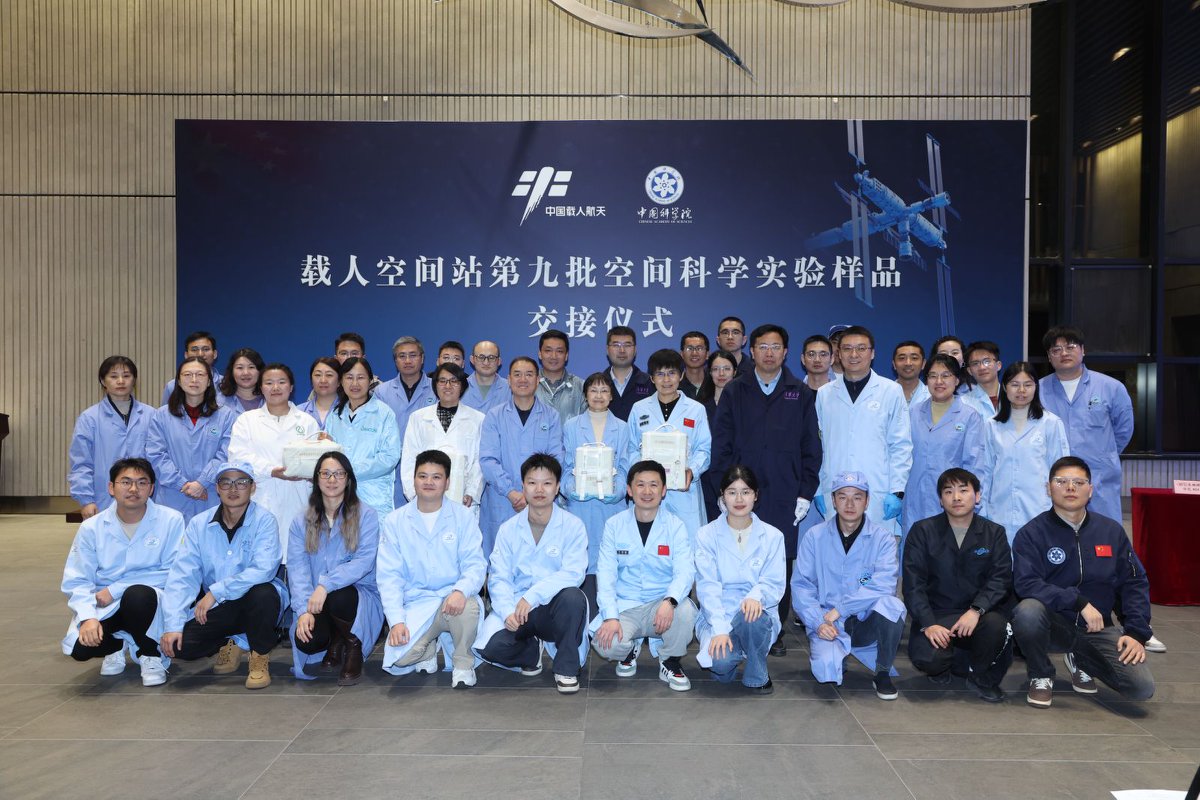
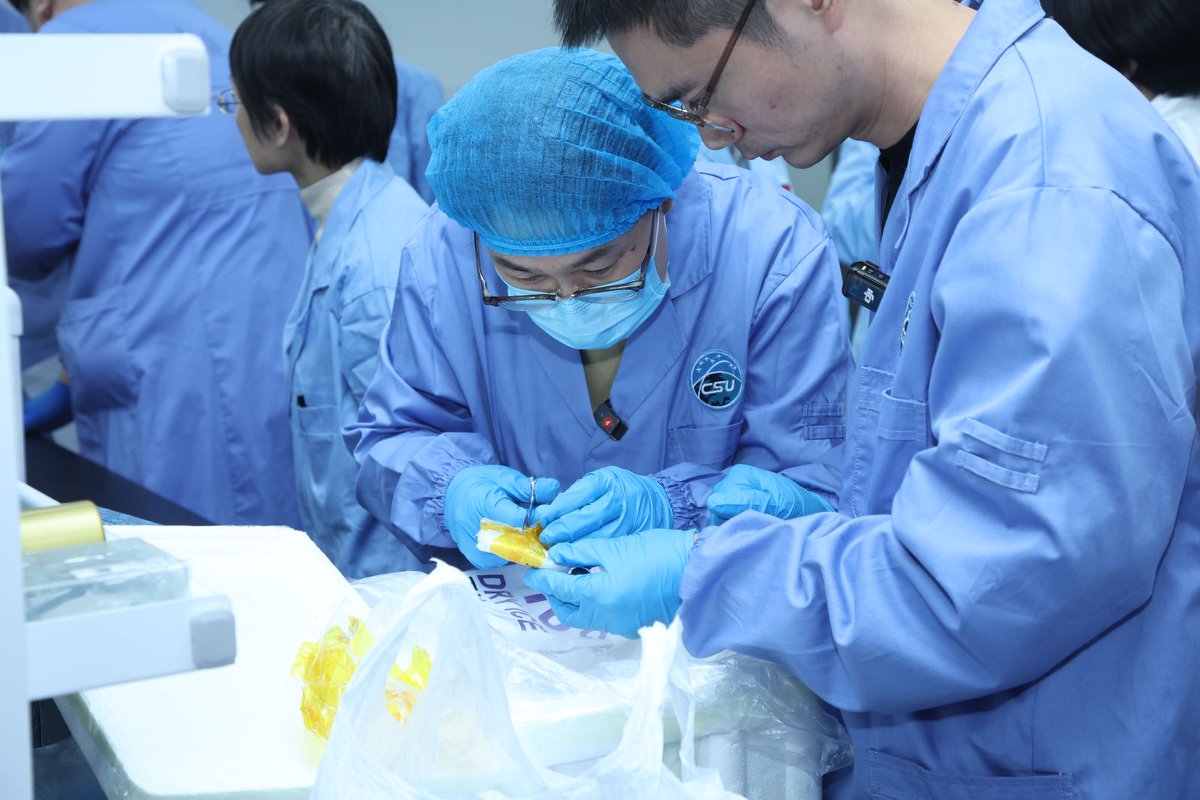
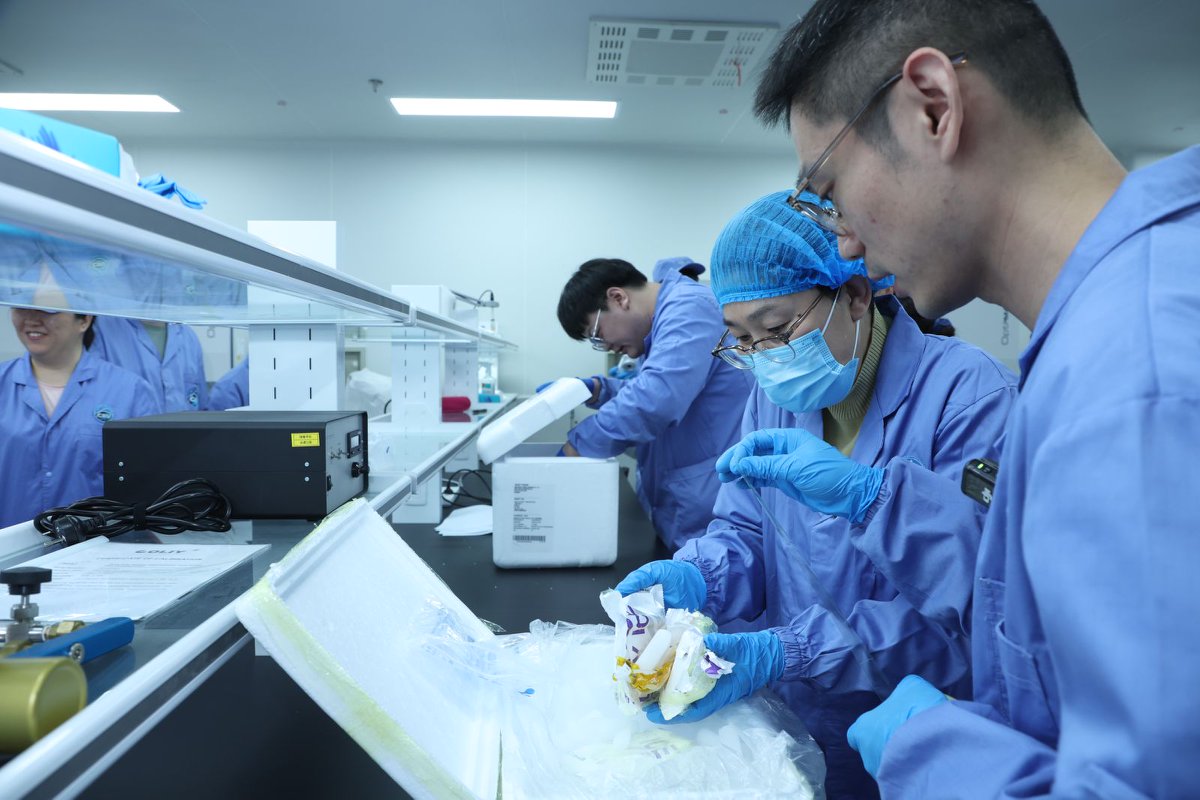
Beyond the experimental mice, other life science samples—such as zebrafish, Ceratophyllum demersum (hornwort), Streptomyces, planarians, and brain organoids—along with some materials and combustion experiment samples, were transported to the Technology and Engineering Center for Space Utilization (CSU), Chinese Academy of Sciences (CAS) in Beijing at 00:40 on the early morning of November 15.
CSU inspected and confirmed the status of the returned samples before delivering them to scientists for follow-up research. The remaining materials and combustion experiment samples will be transported to Beijing along with the Shenzhou-21 reentry capsule at a later date.
For the returned life science cell samples, scientists will conduct biological analyses including transcriptome sequencing and proteomics testing. These studies will explore the effects of microgravity on organisms from the cellular to 3D tissue levels, decipher key biological mechanisms and intervention targets, and offer new clues for the prevention and intervention of related diseases.
Regarding materials science samples such as tungsten-hafnium alloy, soft magnetic materials, and relaxor ferroelectric single crystals, scientists will perform tests on the space-exposed samples to analyze their microstructure, chemical composition, and distribution differences. The research will focus on how gravity influences material growth, compositional segregation, solidification defects, and performance, as well as the materials’ service behavior and properties in the special space environment. Results are expected to advance the future space application of preparation processes for high-performance solar cell protective materials, high-gain radiation-resistant optical fibers, and lunar base construction materials, providing important theoretical and technical support for satellite communications and space exploration.
For the combustion experiment samples—including burners, soot collection plates, and collection covers—scientists will analyze the flame-synthesized semiconductor nanomaterials, soot samples, and the formation characteristics of carbon nanoparticles. The findings may offer technical support for extraterrestrial flame synthesis of nanomaterials, development of new energy systems, space fire prevention technologies, and preparation of advanced functional carbon nanomaterials.
File Download: